CMDB basics: why reliable configuration data matters
A configuration database helps when its records, owners and relationships reflect your real services.

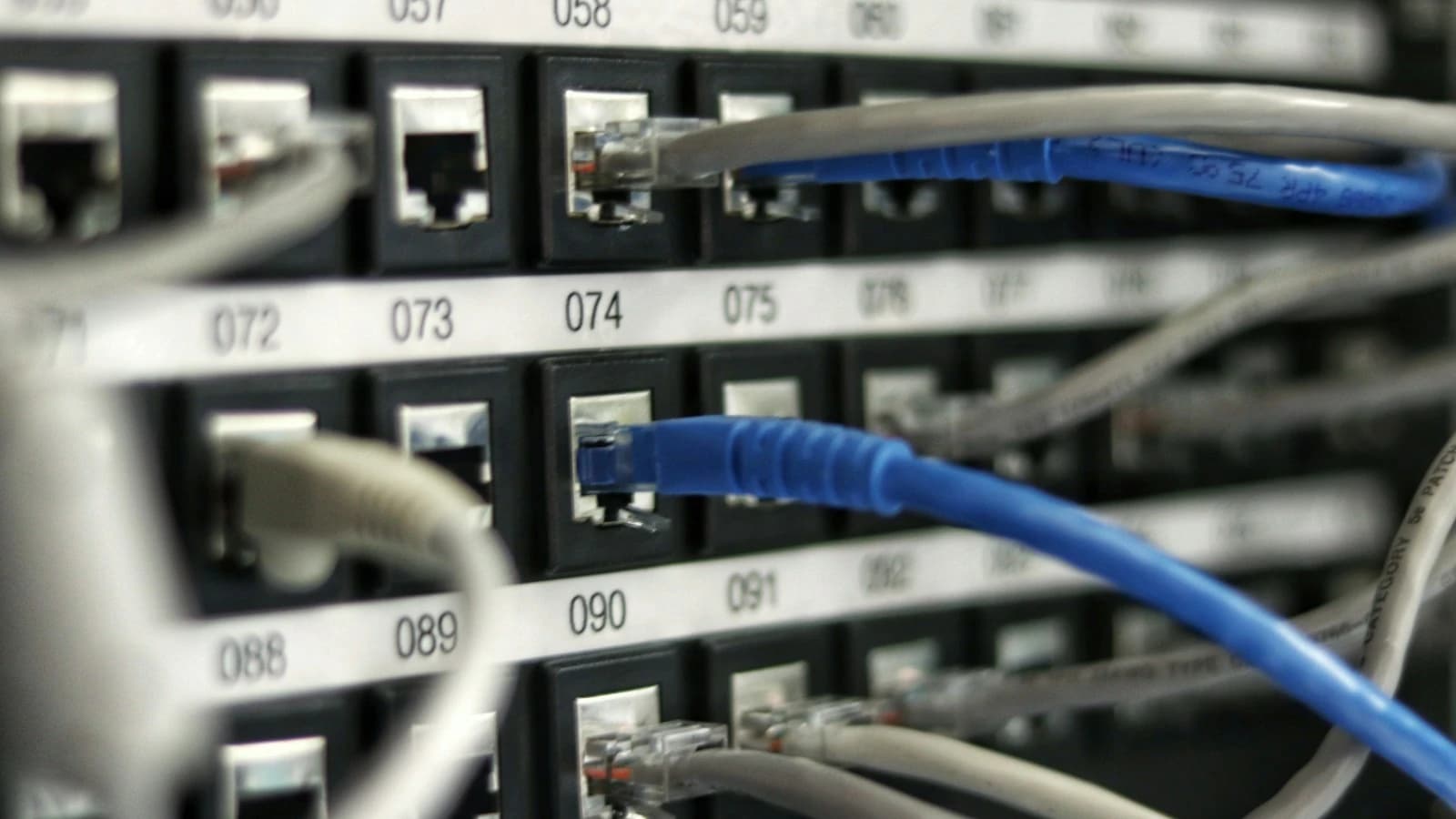
A connected world illustrating infrastructure visibility and configuration data.
Define what deserves a configuration sheet
A CMDB is not a warehouse where all available data is copied. It describes the elements and relationships necessary for identified processes. A server can be important to understand the hosting of an application; a dependency relationship can help assess change. Start with the questions teams want to answer: who runs this service, what components support it, and which users can be impacted? This approach defines a useful scope and avoids an accumulation of files whose accuracy no one guarantees.
Distinguish asset, CI, service and relationship
An asset concerns in particular the economic management or the cycle of possession of an element. A CI represents a configuration item tracked for operations and service processes. The two notions can be linked without being interchangeable. A service expresses a capability provided to users, while a relationship describes a link between elements. For example, a server can host an application that depends on a database. If these notions are mixed in a single class or in free text, research and impact analyzes quickly become ambiguous.
Choose a simple but extensible model
Use classes adapted to the objects tracked and favor the attributes that are actually necessary. Define a name, an environment, an owner and the identifiers useful for reconciliation. Don't create a new class for each team or name variation: unnecessary multiplication complicates imports and reporting. The models recommended by the platform and the CSDM principles can serve as a reference, but their adoption must be linked to the targeted processes. Document the meaning of fields so that two teams do not use the same attribute with different interpretations.
Identify an element before updating it
Identification seeks to know if the incoming data corresponds to a CI already present. A host name alone may be insufficient: names may change or be reused. Define the appropriate identifiers for each class and check their stability. Rules should handle missing values and incomplete sources without automatically creating a duplicate. In ServiceNow, the IRE provides a framework for enforcing these rules. Correct use of the platform's mechanisms is preferable to scripts that freely insert cards without respecting common identification.
Reconciling sources and their responsibilities
After identification, reconciliation determines which sources can update which attributes. A discovery tool may be relevant to the operating system version, while a business repository may be the owner's reference. Letting each source overwrite all values produces permanent changes that are difficult to explain. Define authority by attribute and consider data freshness. A manual update must also have a framework. Reconciliation does not mean that all sources become the same; she organizes their contribution to the same recording.
Example: integrating an inventory and a cloud account
A server exists in an internal inventory and in the cloud provider's data. The inventory brings the responsible team; the cloud API provides a technical identifier and current status. The processing reconciles the two sources with a reliable key and applies the authority rules. If the ID is missing, the record is queued or flagged for analysis rather than randomly merged. A journal stores decisions and rejections. This approach reduces duplication while making it possible to explain why a value has changed and where it comes from.
Manage relationships and lifecycle
Relationships must have a known meaning and direction. Hosts, depends on and belongs to do not describe the same thing. Check essential connections with department managers. Also plan for the end of life of the elements: a resource that disappears from a collection does not necessarily have to be deleted immediately, because temporary unavailability is possible. Define appropriate states and deadlines. Keeping an obsolete file as active distorts the impact analysis; Removing it too early can cause you to lose useful history of incidents and changes.
Organize governance with concrete responsibilities
Designate class owners, source maintainers, and people responsible for handling anomalies. Governance is not just a document: you need a queue of corrections, deadlines and an escalation procedure. Teams need to know who validates a duplicate merge or model change. Limit write rights and keep usable traces. Critical data without an owner is rarely maintained over the long term. Start with a small group of classes whose leaders can actually monitor the quality and then expand the method.
Measuring quality and utility separately
Completeness measures the fields filled in; the correction assesses their conformity; the news indicates whether the information is still valid. No indicator alone is enough: a field filled with an unknown value can artificially improve completeness. Check for duplicates, inconsistent relationships, and the age of the last reliable data. Also check the usage in concrete cases. If support can find the owner of a service but not its critical base, the expected improvement is not complete, even if a dashboard shows a lot of green.
Deploy the CMDB around a business result
Choose a first objective, for example making the allocation of incidents for an application more reliable or preparing for changes. Define the necessary CIs, relationships and attributes, integrate the sources then test the quality with this journey. Tuplify Studio can develop the integrations, validations and tracking tables that support this governance. Avoid running all sources simultaneously without a patching mechanism. A CMDB progresses through iterations of data and use: each extension must provide usable information and a manager capable of maintaining its reliability.
Workshop: correct a duplicate without losing its history
Take two cards likely to represent the same resource. Compare reliable identifiers, sources, dates and relationships before any merge. Determine if the name was reused or if equipment was actually replaced: a resemblance is not enough. Review related incidents, changes, and relationships to maintain useful links. Carry out the operation according to the mechanisms and procedures of your platform, within a validated scope. Then correct the cause of the duplicate entry, otherwise the next import will recreate it. The lasting correction therefore concerns both the existing records, the identification rules and the responsibility of the source which supplies the CMDB.
Frequently asked questions: completeness and single repository
Do I have to fill out all the fields? The required attributes depend on the uses. A field systematically filled with unknown does not make the data more reliable.
Should CMDB replace all tools? It can aggregate configuration context without becoming the source of every operational or financial detail. Define repositories and their responsibilities.
Can we measure quality with a single score? A score helps track a trend, but can hide gaps in a critical service. Examine classes, attributes, relationships, freshness, and utility in processes. Governance must make it possible to identify specific problems and their owners, not just to produce a reassuring overall score.
What we can build for you
We build ServiceNow data integrations, validation workflows and dashboards to support CMDB governance.
Let’s discuss your projectGo further · official documentation
ServiceNow — CMDBTuplify Studio · Educational guides created with AI assistance. Examples are illustrative.